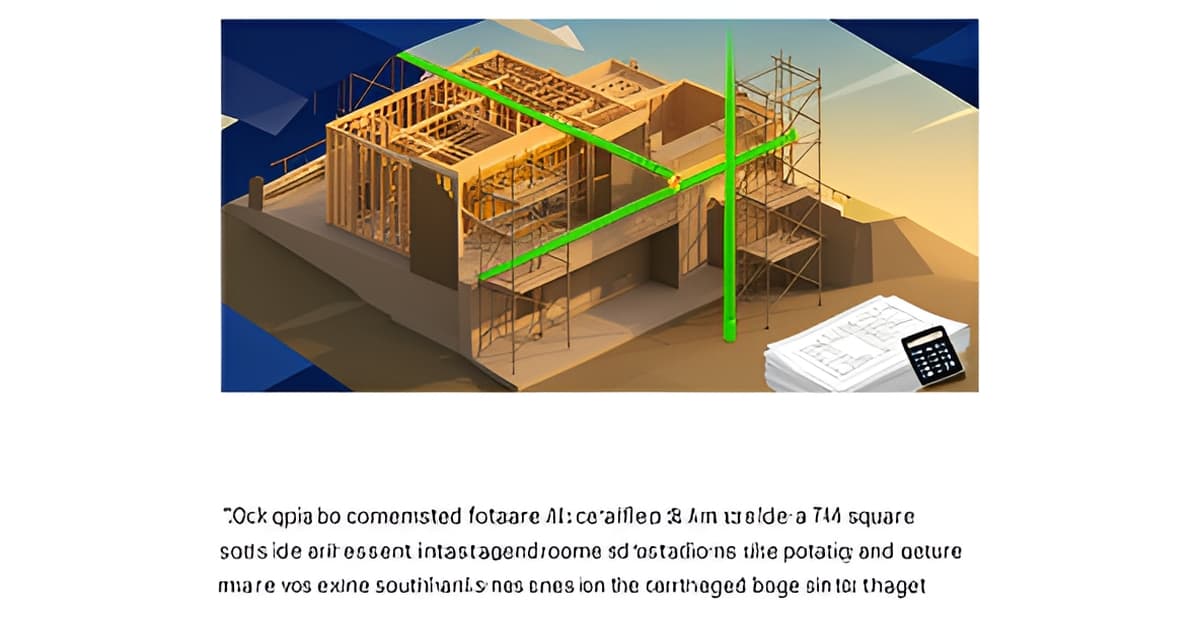
Cost to Rebuild a House Per Square Foot in Los Angeles
Key Facts
- Standard custom construction in Los Angeles runs $400–$600 per square foot, per contractor-sourced benchmarks.
- Wildfire rebuilds cost more: owners reported ~$570/SF in Eaton and ~$800/SF in Palisades after the 2025 fires.
- Per-square-foot quotes understate real budgets by 40–60% once permits and temporary housing are added, construction analysis finds.
- Debris removal, hazmat, soil testing, and permits consume $75,000–$200,000 before framing starts, per rebuild cost data.
- Contractor and material prices spike 20–40% within months of a major fire and stay elevated for a year, post-wildfire research shows.
- 62% of 2025 LA fire survivors reported being underinsured, often short by $200,000, a United Policyholders survey found.
- Fire-resilient builds cost under 10% more yet cut modeled destruction risk by up to 43%, according to Headwaters Economics/IBHS research.
What LA Rebuilds Actually Cost Per Square Foot: The Tiered Ranges
If you've Googled "cost to rebuild a house Los Angeles," you've likely found numbers ranging from $400 to $1,000 per square foot — and no explanation of why they conflict. The confusion is real: different sources measure different things, and knowing which number applies to your situation is the difference between a workable budget and a six-figure shortfall.
Here's the framework that resolves it. Standard custom construction in LA runs $400–$600 per square foot, according to LA Magazine's contractor-sourced benchmarks. An engineering firm actively working Altadena post-Eaton Fire rebuilds reports $400–$500/SF for standard finishes in that market specifically.
But if you're rebuilding after a wildfire, those figures understate your reality. Owner-reported estimates from the 2025 fires cluster at $570/SF for code-compliant rebuilds in the Eaton area and roughly $800/SF in the Palisades. The gap exists because fire-zone rebuilds carry WUI code requirements, demand-surge pricing (contractor and material costs spike 20–40% after a major fire), and hillside site work that general construction benchmarks never account for.
At the top of the market, $700–$1,000+/SF covers luxury builds and fire-resilient construction — IBHS Wildfire Prepared Home Plus builds run $800+/SF, and UCLA Anderson Forecast research puts the ceiling at $1,000/SF in some LA areas.
Translated into total budgets, here's what those per-square-foot figures mean for typical homes:
- 2,000 SF: roughly $800,000–$1.2M standard; a modest Altadena rebuild runs $800K–$1M+
- 2,500 SF: about $1M–$1.5M standard; $1.75M–$2.5M+ at the high end
- 3,000 SF: approximately $1.2M–$1.8M for standard construction
One critical caveat: construction is only part of the bill. Pre-construction work — debris removal, hazmat, soil testing, engineering, and permits — routinely consumes $75,000–$200,000 before framing starts, and soft costs plus temporary housing add 40–60% on top of the base contract. It's why 62–64% of wildfire survivors report being underinsured, often by an average of $200,000.
Before committing to any per-SF figure, get a site-specific estimate from a licensed contractor — online calculators can be off by tens of thousands of dollars. The Altadena Builder Directory lists fire-rebuild specialists serving the area, each verified against the California Contractors State License Board, so you can confirm credentials before you ever sign a contract.
Why Per-Square-Foot Numbers Understate Your Real Budget by 40–60%
That $450-per-square-foot quote you spent weeks hunting down? It covers roughly two-thirds of what you'll actually spend. The number that sells you on a contractor usually excludes everything that happens before and after the framing crew arrives.
According to construction industry analysis of California wildfire rebuilds, pre-construction, permits, temporary housing, and finishes regularly add 40–60% on top of the base contract. A 2,000-square-foot home quoted at $500/SF — a $1 million contract — can realistically become a $1.4–1.6 million project once the full picture comes into focus.
The gap starts before a single nail is driven. Debris removal, hazmat remediation, soil testing, engineering, and permits routinely consume $75,000–$200,000 before construction begins. Private debris removal alone runs roughly $100,000 per parcel based on CalRecycle benchmarks from the Camp Fire — and standard insurance policies typically cap debris removal at just 5% of dwelling coverage, leaving many homeowners to fund the difference themselves.
- LA County permits run about $12,000 for a 1,500 SF home and $22,000 for 3,000 SF, though like-for-like rebuilds through Regional Planning can qualify for a reduced $1,404 fee.
- Temporary housing during a typical 18–36 month rebuild adds $60,000–$120,000 in out-of-pocket costs.
- Post-disaster demand surge pushes contractor and material prices up 20–40% within months of a major fire, and elevated pricing can persist for over a year.
This is why the underinsurance crisis hits so hard. A United Policyholders survey found 62% of 2025 LA fire survivors reported being underinsured, and one study found wildfire victims were short by an average of $200,000. The root cause is simple: market value is not rebuild cost. Insurance policies pegged to purchase price or older appraisals ignore today's code requirements, debris removal, and demand-surge pricing.
The practical takeaway is to budget against the total project, not the construction line. When you're ready to collect real bids, the Altadena Builder Directory lists fire-rebuild specialists serving the area — every listing verified against CSLB license records, and a free license-lookup tool lets you independently confirm any California contractor before you sign anything.
The Site Is the Biggest Variable: Why Two Lots on the Same Street Build Differently
Ask two builders to price identical houses on lots across the street from each other, and you can get bids tens of thousands of dollars apart — sometimes more. The difference usually isn't the house. It's the land.
Los Angeles general contractor Eli Ezra puts it plainly: "In Los Angeles, two lots on the same street can build very differently. One may be straightforward. Another may need retaining walls, drainage work, utility upgrades, or extra engineering." On an easy lot, site prep runs about 5–10% of the construction budget, but on a hillside site it can climb to 15–25% or more, according to LA cost analysis of local custom construction.
Hillside and fire-rebuild lots carry specific cost drivers that owners often discover late:
- Grading and specialized foundations, including caissons, for sloped terrain
- Retaining walls, which one engineering firm working on Altadena rebuilds names among the three biggest cost adders
- Stormwater sump pumps and street right-of-way work, the other two major adders
- Utility upgrades and drainage systems — LA County requires drainage plans for most fire rebuilds because lost vegetation speeds up runoff
Typical site work and grading runs $20,000–$50,000, but the swing between a smart design and a poor one is far larger. The same engineering source notes that thoughtful drainage and grading decisions can save more than $100,000 in construction costs — money that's easy to lose if these issues surface after plans are finalized.
Timing compounds the problem. After a major fire, contractor and material prices spike 20–40% within months, and elevated pricing can persist for a year or more, per post-wildfire rebuild research. A site that demands extra engineering during a demand surge costs even more than the same site would in a calm market.
The flip side is that resilient site and building choices are surprisingly affordable. WUI code compliance added just $13,070 to a 1,750-square-foot Altadena home, and an IBHS Wildfire Prepared Home Plus upgrade added $15,242, according to a Headwaters Economics/IBHS study. Fire-resilient builds cost under 10% more overall while cutting modeled destruction risk by up to 43%.
Because lot conditions drive these swings, get a site-specific estimate before locking in any per-square-foot number — online calculators can be off by tens of thousands of dollars. Every builder listed in the Altadena Builder Directory is license-verified against the California Contractors State License Board, and you can run a free CSLB lookup on any contractor you're considering before you commit.
ctaText: Browse license-verified Altadena builders or verify any contractor's CSLB license free.
socialProofText: Every listing in the Altadena Builder Directory is verified against California CSLB license records — no paid rankings, just attributed ratings from real public sources.
How to Get an Accurate Number: Site-Specific Estimates and Verified Contractors
A $500-per-square-foot estimate from an online calculator might feel reassuring — until your actual bids come in $200,000 higher. Online tools can be off by tens of thousands of dollars because they know nothing about your lot, your plans, or your city's requirements, as one LA rebuild guide bluntly warns.
Los Angeles general contractor Eli Ezra puts it simply: "I do not like rough guesses. Before we price a project seriously, we go through the plans, the site, the engineering, the finish level, and the city requirements," as profiled in LA Magazine. Two lots on the same street can build very differently — one straightforward, the other needing retaining walls, drainage work, and extra engineering.
In fire-affected areas, site conditions matter even more. Altadena engineering firms report that stormwater sump pumps, right-of-way work, and retaining walls are the three biggest cost drivers — and that smart drainage and grading decisions can save over $100,000.
The per-square-foot contract is only part of the bill. Post-wildfire cost analysis shows that pre-construction, permits, temporary housing, and finishes regularly add 40–60% on top of the base contract. That's why 62% of 2025 LA fire survivors reported being underinsured.
Your complete budget should account for:
- Pre-construction costs — debris removal, hazmat, soil testing, engineering, and permits routinely consume $75,000–$200,000 before framing begins
- Soft costs — design and professional fees run 8–20% of budget, plus LA County plan check fees of $4,000–$15,000
- Temporary housing — $60,000–$120,000 out-of-pocket over a typical 24-month rebuild timeline
- Demand surge buffer — contractor and material prices spike 20–40% after a major fire and can stay elevated for 12+ months
- Code compliance — WUI requirements added $13,070 to one 1,750 SF Altadena rebuild
Once you're ready for site-specific bids, start with license-verified builders. The Altadena Builder Directory lists fire-rebuild specialists and custom home builders serving Altadena, with every listing verified against California Contractors State License Board records and a free CSLB lookup tool for checking any contractor yourself. Before signing anything, run the license — it takes minutes and costs nothing.
Frequently Asked Questions
How much does it actually cost to rebuild a house per square foot in Los Angeles?
Why are wildfire rebuild costs so much higher than normal construction costs in LA?
Is the per-square-foot construction quote really my total rebuild budget?
How much should I budget for debris removal, permits, and other pre-construction costs after a fire?
Why do two identical houses on the same street get such different rebuild bids?
Is it worth paying extra for fire-resilient construction on my rebuild?
Why are so many fire survivors underinsured, and how do I avoid the same mistake?
Can I trust online cost calculators for my LA rebuild budget?
Your Real Number Starts With Your Lot, Not a Calculator
The lesson running through every section of this guide is simple: a per-square-foot figure is a starting point, not a budget. Standard LA construction runs $400–$600/SF, fire-zone rebuilds climb toward $570–$800+/SF, and the true project cost adds another 40–60% once pre-construction work, soft costs, temporary housing, and demand-surge pricing are counted. Your lot, your finish level, and your timeline will move the number more than any online calculator can predict. So take three steps before you commit to anything: budget against the total project rather than the construction contract, get a site-specific estimate from a licensed contractor who has walked your property, and verify credentials before you sign. The Altadena Builder Directory makes that last step easy — every listing is license-verified against California CSLB records, and a free lookup tool lets you check any contractor yourself in minutes. Rebuilding after a wildfire is complicated enough; choosing who builds your home shouldn't be. Browse license-verified Altadena builders or verify any contractor's CSLB license free — and start your rebuild with numbers you can actually trust.