Down to the Studs Remodel: What It Costs and When It's Worth It
Key Facts
- A down-to-the-studs gut remodel typically costs $100,000 to $300,000+, according to NerdWallet's cost analysis.
- In the Los Angeles area, whole-house remodels run $100 to $300 per square foot, per GreatBuildz's gut remodel guide.
- Gutting and remodeling a house is 20% to 50% cheaper than tearing down and rebuilding, HomeGuide's remodeling cost data shows.
- Hidden conditions in older homes — like asbestos and knob-and-tube wiring — can add 10% to 25% or more to estimates, based on NFG Construction's field experience.
- Contractor bids for the same gut remodel can vary 20% to 40% between firms, CraftHaus Remodeling reports.
- A full gut remodel typically takes 9 to 12 months, according to GreatBuildz.
- Load-bearing wall removal during a gut remodel can cost up to $15,000, per HomeGuide.
The Real Price Tag: What a Gut Remodel Actually Costs in the LA Area
The moment your contractor's crowbar pulls off the first piece of drywall, your budget meets reality. A gut remodel — stripping the home down to its wall studs and foundation — carries a price tag that surprises most Los Angeles homeowners before the first dumpster arrives.
Nationally, a full gut-to-studs remodel runs $100,000 to $300,000+ depending on scope and finish level, according to NerdWallet's cost analysis. In the Los Angeles area specifically, whole-house remodels typically price out at $100 to $300 per square foot, as detailed in GreatBuildz's gut remodel guide — meaning a 1,800-square-foot Altadena home could land anywhere from $180,000 to $540,000 before surprises.
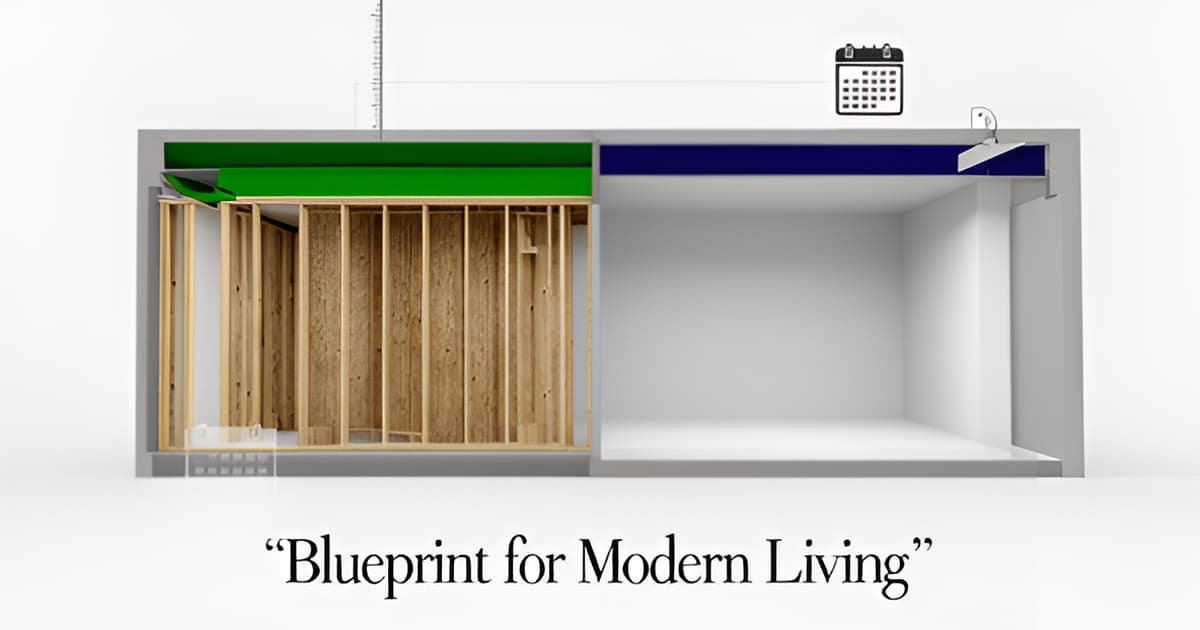
What does "down to the studs" actually mean? The crew removes all plumbing, HVAC, wall materials, cabinets, and fixtures, leaving only the framing, foundation, and sometimes the roof structure. The reason is simple: the longest-lasting components of a home are the foundation and framing, while everything else — pipes, wiring, ducts, finishes — eventually needs replacement, and the only way to access those systems is to remove the walls and ceilings entirely.
Pricing generally falls into tiers:
- Basic: $100–$150 per square foot ($150,000–$225,000 total)
- Mid-range: $150–$200 per square foot ($225,000–$300,000)
- High-end: $200–$300+ per square foot ($300,000–$450,000+)
Here's where older homes bite back. Contractors who regularly open walls in pre-1950s and pre-1978 homes report that hidden conditions are the norm, not the exception — knob-and-tube wiring, galvanized or cast-iron plumbing, asbestos, lead paint, and moisture damage routinely surface once demolition begins, as documented by NFG Construction's field experience. These discoveries can add 10% to 25% or more to the original estimate, and hazardous material remediation alone can run into the tens of thousands of dollars.
That's why experienced remodelers consistently recommend a contingency reserve of 15% to 20% — money set aside before the project starts, not scraped together mid-demolition. Asbestos removal typically adds $1,200 to $2,800, mold remediation $1,200 to $3,750, and a full electrical rewire can run $2,000 to $9,000.
Before comparing bids — which can vary 20% to 40% between firms — Altadena homeowners can verify every bidder through the Altadena Builder Directory's free CSLB license-lookup tool, which checks any California contractor against state records. A bid is only as good as the license behind it.
Gut Remodel vs. Tear Down: How to Decide Which Path Pays Off
The math seems obvious at first: gutting a house to the studs and remodeling costs $100,000 to $200,000+, while tearing down and building new runs $350,000 to $800,000. But the right answer depends less on those headline numbers and more on what your foundation, framing, and mechanical systems are actually hiding.
When the bones are good, renovation wins decisively. According to HomeGuide's remodeling cost data, a whole-house remodel is 20% to 50% cheaper than teardown and new construction — and a solid structure in good condition almost always favors renovation. You keep the longest-lasting components (foundation, framing, sometimes stucco) and replace only the systems that wear out.
The calculation flips when the structure itself is compromised. The same remodel-vs-rebuild analysis notes that major foundation damage or failing HVAC, plumbing, and electrical systems can make new construction the cheaper path — you'd be paying remodel prices to preserve a shell that needs replacing anyway.
A gut remodel tends to be worth it when:
- The home has significant structural damage that piecemeal repairs can't solve
- Electrical or mechanical systems are unsafe and need full replacement
- Widespread hazardous materials like lead paint or mold demand remediation
- You want a completely new floor plan that surface updates can't deliver
- Fire or flood damage requires restoration to keep the home safe and structurally sound
One more check before committing either way: over-improvement risk. If your total investment exceeds what comparable homes in your neighborhood sell for, it becomes difficult to recoup that money at resale — a gut remodel that makes your house the most expensive on the block rarely pays for itself.
Whatever path you're leaning toward, start with an inspection, not a budget. As contractors put it, "the real costs depend on what is hidden behind your walls" — and hidden issues can add 10% to 25% or more to the original estimate. For Altadena homeowners weighing this decision, the Altadena Builder Directory offers a free registry of license-verified remodelers and fire-rebuild specialists, plus a CSLB license-lookup tool so you can verify any California contractor before comparing bids.
The Sequence: Six Phases That Keep a Gut Remodel On Budget
A gut remodel succeeds or fails on sequence. When each phase builds on the last — and systems work happens while walls are open — budgets hold. When phases overlap or get skipped, costs spiral.
The proven sequence runs through six phases: planning and design, permits, demolition, structural and mechanical rough-in, insulation and finishes, and final inspection. Full gut remodels typically take 9 to 12 months, with planning and finishes each consuming a few weeks to a couple of months. Permits alone run $200 to $3,000, so getting them early avoids stalling the project before demo even starts.
The single most important sequencing rule: rough plumbing, electrical, and HVAC must be installed before walls are closed. A gut renovation is the ideal time to address aging systems because walls and floors are already open — waiting until after finishes are in place to deal with failing pipe is far more disruptive and expensive, as practitioners note. Demolition is also where hazardous material removal happens, particularly in pre-1978 homes where asbestos and lead paint are common concerns.
A few practical realities shape the timeline:
- A gutted house has no walls, electricity, or running water — living in it during demolition and rough-in is not safe or practical, so budget for temporary housing.
- A professional demo crew can gut a small house in a few days; DIY demolition can drag on for months and saves little money.
- Hidden conditions like knob-and-tube wiring or cast iron plumbing can add 10–25% or more to the original estimate — a 15–20% contingency is essential.
Money-saving tactics matter most in the early phases. Keeping the existing floor plan avoids costly load-bearing wall work (removal can run up to $15,000), pre-ordering materials protects against price jumps, and getting at least three itemized bids is smart when contractor estimates can vary 20 to 40 percent between firms. Before signing anything, verify each bidder's license — Altadena Builder Directory offers a free CSLB license-lookup tool so homeowners can confirm any California contractor's credentials against California Contractors State License Board records, with listings showing a verification seal once a license match is confirmed.
Final inspection closes out the project, but the punch list is where careful sequencing pays off. Homes that followed the six-phase order — with systems addressed while walls were open — avoid the most expensive mistake in remodeling: tearing out new finishes to fix old pipes.
Vetting Your Contractor: Bids, Licenses, and Altadena Resources
On a project that can easily run six figures, the contractor you choose matters as much as the budget itself. Vetting bids carefully — before you sign anything — is the single best protection against cost overruns and disputes mid-demo.
Start by getting at least three itemized bids. Industry guidance suggests contractor bids can vary by 20 to 40 percent between firms, so a single estimate tells you almost nothing about fair market pricing. Itemized bids also let you compare scope line-by-line rather than reacting to a bottom-line number. If two bids differ wildly, request more against a detailed scope of work.
Before you even collect bids, commission a professional home inspection. The real costs of a gut remodel depend on what is hidden behind your walls, and a thorough inspection before budgeting can prevent costly surprises once demo begins. Findings like knob-and-tube wiring, asbestos, or structural compromise can add 10–25% or more to an original estimate.
Then verify every license. In California, that means checking each contractor against California Contractors State License Board records before comparing estimates — not after. A few things to confirm for each bidder:
- An active CSLB license with the correct classification for remodel work
- A detailed, itemized scope of work rather than a lump-sum quote
- A contingency plan for hidden conditions, since problems can't be fully anticipated until demo is underway
- Clear sequencing knowledge — rough plumbing, electrical, and HVAC must go in before walls close
For Altadena homeowners, the Altadena Builder Directory makes this step faster. It's a free, independent registry of local remodelers, design-build firms, and fire-rebuild specialists — every listing is license-verified against CSLB records, and a verification seal appears once a license match is confirmed. Ratings come only from real attributed public sources, with no paid rankings; featured placements are always labeled. If you'd rather verify a contractor yourself, the directory also offers a free CSLB license-lookup tool that works for any California contractor, so you can confirm a license before committing to a $100,000–$300,000 project.
Finally, remember that the lowest bid isn't automatically the best one. A bid far below the others may signal missed scope — a costly discovery once your walls are open and your family is in temporary housing. Compare bids against the same detailed plans, verify every license, and you'll enter contract negotiations with real leverage.
ctaText: Browse license-verified Altadena remodelers in the free directory — or run a quick CSLB license lookup on any California contractor before you sign.
socialProofText: Every listing in the Altadena Builder Directory is verified against California Contractors State License Board records, with ratings drawn only from real attributed public sources.
Frequently Asked Questions
How much does a down-to-the-studs remodel cost?
Is it cheaper to gut remodel or tear down and rebuild?
What hidden problems should I expect in an older home remodel?
How long does a gut remodel take, and can I live in the house during it?
How many contractor bids should I get for a gut remodel?
How do I avoid overspending on a gut remodel?
Open Walls, Open Questions: Your Next Move Before the Crowbar Swings
A gut remodel is a six-figure commitment with real upside — 20% to 50% cheaper than tearing down and rebuilding when your foundation and framing are sound, per HomeGuide's remodeling cost data. But the numbers only hold if you plan for what's behind the walls: hidden conditions that add 10–25% or more to estimates, a 15–20% contingency reserve, a 9–12 month timeline, and systems work sequenced while everything is still open. Your next steps are simple and ordered: commission a professional inspection before setting a budget, collect at least three itemized bids, and verify every contractor's license against California CSLB records before comparing numbers — not after. The Altadena Builder Directory makes that last step fast, with a free registry of license-verified remodelers and fire-rebuild specialists serving Altadena, plus a CSLB lookup tool that works for any California contractor. When your walls come down, you want the only surprises to be the ones you budgeted for. Start by browsing license-verified Altadena remodelers in the free directory — or run a quick license lookup on any contractor before you sign.