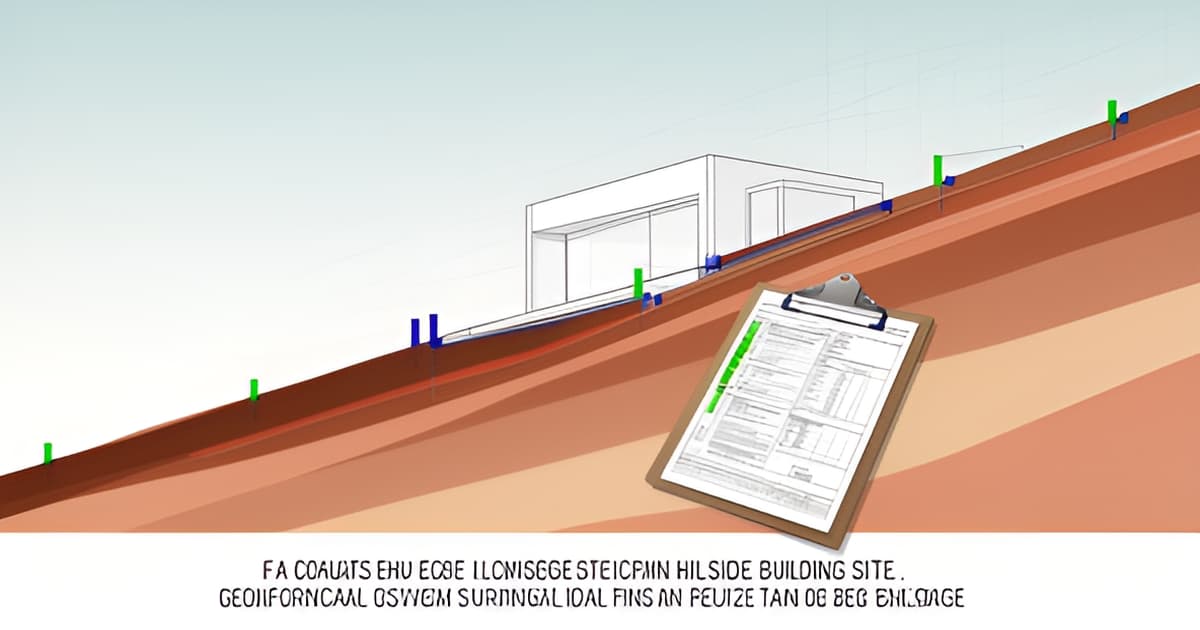
Geotechnical Report Cost in California: What Hillside Builders Pay
Key Facts
- Altadena hillside fire-rebuild geotechnical reports cost $4,000–$10,000+ and take 2–6 weeks, per regional pricing data.
- Even a valid pre-fire geotechnical report is typically rejected because fire creates water-repellent soil layers, per fire-rebuild engineering guidance.
- The national average geotechnical report costs about $2,700, ranging $1,000–$5,000, according to HomeAdvisor.
- LA County waived Soils/Geological Review Fees for qualifying Eaton fire-rebuild owners, though the private engineer's report is not covered, per the County Recovery FAQ.
- Rush service adds 20–40% and difficult-access mobilization adds another 15–20% to geotech quotes, per cost data.
- Complex hillside sites can push geotechnical report costs to $10,000–$20,000+, per a Southern California geotech firm.
- Adjacent costs add up fast: drainage plans average $4,400 and hydrology reports $2,400 in Altadena, per local engineering data.
Why Hillside Lots in Altadena Can't Skip the Soils Report
If your Altadena lot slopes even a few feet, the geotechnical report isn't a line item you can negotiate away — it's a legal prerequisite before LA County will touch your plans. As one Southern California geotechnical firm puts it bluntly: skipping the report is risky, and often illegal.
What triggers the requirement on your lot? Altadena rebuilds go through LA County Public Works, not LADBS, because Altadena is unincorporated county territory. Per the LA County Recovery FAQ, the county requires soils and geotechnical review whenever geologic hazards are present, and Public Works geotechnical approval may be needed before permits move forward. Common triggers include:
- New construction in a designated Hillside Area, where an accepted geotechnical report is mandatory during plan check
- Parcels in state-mapped landslide or liquefaction zones
- Retaining walls holding more than roughly 4 feet of unbalanced fill
- Expansive or compressible soils, or foundations using caissons or deep piles
Fire changed the ground under your lot. This is the part that surprises even homeowners holding a valid pre-fire report. Per fire-rebuild geotechnical guidance, intense heat creates hydrophobic soil layers that repel water and drive erosion gullies and debris flows. Burned vegetation strips root strength from slopes, reducing the factor of safety for years.
That's why even a valid pre-fire report is typically rejected — the ground it describes no longer exists. The same guidance notes that LA's emergency streamlining orders waive many steps, but "the one thing the streamlining never waives is geotechnical safety review." A cost overview for Altadena rebuilds adds that reports older than about 10 years and neighbor's reports are also rejected.
One exemption matters: LA County confirms a soils report is not always required for conventional raised or slab-on-grade foundations with continuous footings meeting minimum standards. If your lot is flat and outside hazard zones, you may qualify — but hillside lots almost never do.
Before hiring an engineer or contractor for slope work, run their credentials through the Altadena Builder Directory's free CSLB license-lookup tool. Every listing in the registry is verified against the California Contractors State License Board, so you know who's actually licensed to take on hillside construction before you spend a dollar on testing.
What Hillside Builders Actually Pay: Cost Tiers and Timelines
Nationally, a geotechnical report averages about $2,700, with typical quotes landing between $1,000 and $5,000 — but hillside lots in Southern California rarely see those numbers. Slope work, borings on difficult terrain, and fire-damaged soils push costs well above the national baseline.
Here's how the pricing ladder actually breaks down for residential projects:
- Flat-lot single-family: $1,500–$3,500 — straightforward access, 1–3 week turnaround.
- Hillside single-family new construction: $3,500–$8,000 — 2–5 weeks.
- Complex hillside sites: $10,000–$20,000+ — steep grades, geologic hazards, or expansive soils.
- Altadena fire-rebuild hillside lots: $4,000–$10,000+ — 2–6 weeks.
Those figures come from regional pricing data for Southern California projects and should be treated as estimates, since Altadena-specific figures aren't yet independently surveyed. Timing matters just as much as price: hillside and fire-rebuild lots run 2–6 weeks, so order the report before structural drawings. Waiting until after design risks a costly foundation redesign if the soils findings point to a different system.
Two surcharges can inflate your quote. Rush or expedited service typically adds 20–40%, and difficult-access mobilization — think narrow canyon roads or drill rigs that can't reach the boring location — adds another 15–20%. A standard residential report includes 2–3 borings, basic lab testing, engineering analysis, and foundation recommendations.
Budget for adjacent costs, too. Drainage plans typically run $4,400 and hydrology reports $2,400, separate from geotechnical fees. If debris removal disturbed soil more than 12 inches below your removed slab, LA County requires a compaction report before the foundation can proceed. Plan check and permit fees for a 3,000 sq ft home add roughly $22,000 on top of all this.
One piece of good news: LA County has waived Soils/Geological Review Fees for qualifying Eaton fire-rebuild owners in unincorporated areas — though the private engineer's report itself is not covered, per the county's recovery FAQ.
Before you hire anyone for hillside work, verify their CSLB license for free in the Altadena Builder Directory — every listing is license-verified, and ratings come only from real, attributed public sources.
How to Keep Costs Down: Fee Waivers, Existing Data, and Smart Sequencing
A hillside geotech report in Altadena can run $4,000–$10,000+ and take 2–6 weeks — but the biggest savings don't come from skipping the work. They come from sequencing it correctly and taking advantage of relief the County has already put on the table.
Start with the fee waiver. On June 17, 2025, the LA County Board of Supervisors waived Soils/Geological Review Fees for qualifying Eaton and Palisades fire-rebuild owners in unincorporated LA County, per the official County Recovery FAQ. One caveat matters: the waiver covers the County's review fees, not the private engineer's report itself. You still pay for the field work — you just stop paying the government twice.
Next, mine existing public data before commissioning new borings. LA County has flagged specific Sunset Mesa properties for potential geologic and geotechnical issues and provides resource links that consultants should review prior to new field work — which the County itself notes can potentially reduce costs. A consultant who starts from that data instead of a blank page bills fewer hours.
The single biggest money-saver, though, is ordering the geotech report before the structural drawings. As fire-rebuild engineering guidance puts it, treating geotechnical work as a box to check after design is the biggest mistake in rebuilds — the soils report drives foundation type, grading plan, drainage, and buildable footprint. Redesigning a foundation mid-permit costs far more than testing the ground first.
A few practical ways to trim the bill:
- Get at least three quotes and bundle services to cut repeat travel and mobilization fees — difficult-access mobilization alone adds 15–20%.
- Avoid rush orders: expedited turnaround surcharges run 20–40% on top of base pricing.
- Don't pay to resurrect dead reports — pre-fire, neighbor, and 10-year-old reports are typically rejected because the fire changed the soil itself.
- Scope the standard package: 2–3 borings, basic lab testing, and engineering analysis cover most residential needs.
Remember the adjacent costs when budgeting — drainage plans average $4,400 and hydrology reports $2,400 in Altadena, separate from geotech fees. And before hiring anyone for hillside work, run their license through the Altadena Builder Directory's free CSLB lookup; every listing in the registry is verified against the California Contractors State License Board, so you're comparing qualified firms from the start.
Your Action Plan: Quotes, Reports to Avoid, and Hiring Verified Help
Getting three quotes is the single easiest way to control your geotechnical costs. Cost researchers recommend obtaining estimates from at least three firms and bundling services — combining soils testing with compaction or drainage work — to trim travel fees, which can add 15–20% on difficult-access hillside sites (HomeAdvisor). With Altadena-specific pricing running $4,000–$10,000+ for hillside fire-rebuild lots, a 20% swing on quotes is real money.
Before you accept any quote, know which reports will be rejected outright. Permitting officers in hillside ordinance areas must accept a current geotechnical report during plan check, and the following shortcuts will not survive review:
- Pre-fire reports — fire creates hydrophobic soil layers and destroys root strength, so the ground itself has changed and old findings no longer describe your lot.
- Reports older than roughly 10 years — anything predating current code is typically not accepted.
- A neighbor's report — soil conditions vary lot to lot, and these are routinely rejected.
If you're rebuilding on a fire-damaged foundation, set expectations realistically: "hope for reuse, budget for replacement." Heat-damaged foundations and disturbed upper soil from debris removal mean reuse is possible but never guaranteed, and a compaction report is required if soil was disturbed deeper than 12 inches after slab removal (LA County Recovery FAQ).
One cost offset worth claiming: the LA County Board of Supervisors has waived Soils/Geological Review Fees for qualifying fire-rebuild owners in unincorporated LA County — though the private engineer's report itself is not waived. County-provided geologic resource data, such as for flagged Sunset Mesa properties, can also reduce field work and cost.
Finally, verify everyone you hire. Hillside work amplifies the consequences of an unqualified contractor, and California's license lookup is free. The Altadena Builder Directory offers a free CSLB license-lookup tool so you can verify any California contractor before signing, and every listing in the registry is license-verified against the Contractors State License Board, with ratings drawn only from real, attributed public sources.
ctaText: Before you hire anyone for hillside work, verify their CSLB license for free in the Altadena Builder Directory — every listing is license-verified against the state board.
socialProofText: Every contractor listing in the Altadena Builder Directory carries a verification seal confirming a CSLB license match — ratings come only from real, attributed public sources, never paid rankings.
Frequently Asked Questions
How much does a geotechnical report cost for a hillside lot in Altadena?
Can I use my pre-fire soils report to rebuild in Altadena?
Is a geotechnical report legally required before I can get permits in Altadena?
How long does a hillside geotechnical report take?
Does LA County waive any geotechnical fees for Eaton fire rebuilds?
How can I keep my geotechnical report costs down?
Test the Ground First, Then Trust Who Builds on It
A hillside geotechnical report in Altadena isn't a hurdle — it's the cheapest insurance in your entire rebuild. The ground beneath your lot changed when the fire came through, which is why pre-fire, outdated, and neighbor reports get rejected, and why ordering the report before your structural drawings can save you from a costly mid-permit foundation redesign. Budget $4,000–$10,000+ and 2–6 weeks for a hillside fire-rebuild lot, claim the County's Soils/Geological Review Fee waiver if you qualify, get at least three quotes, and skip the 20–40% rush surcharge. Then make sure the people you hire are actually qualified for slope work. California's license lookup is free, and the Altadena Builder Directory makes it even easier: every listing is license-verified against the CSLB, ratings come only from real, attributed public sources, and the free CSLB lookup tool lets you check any California contractor before you sign anything. Your foundation will only ever be as sound as the report it's built on — and the crew that reads it. Verify your contractor's license today and start your hillside rebuild on solid ground.