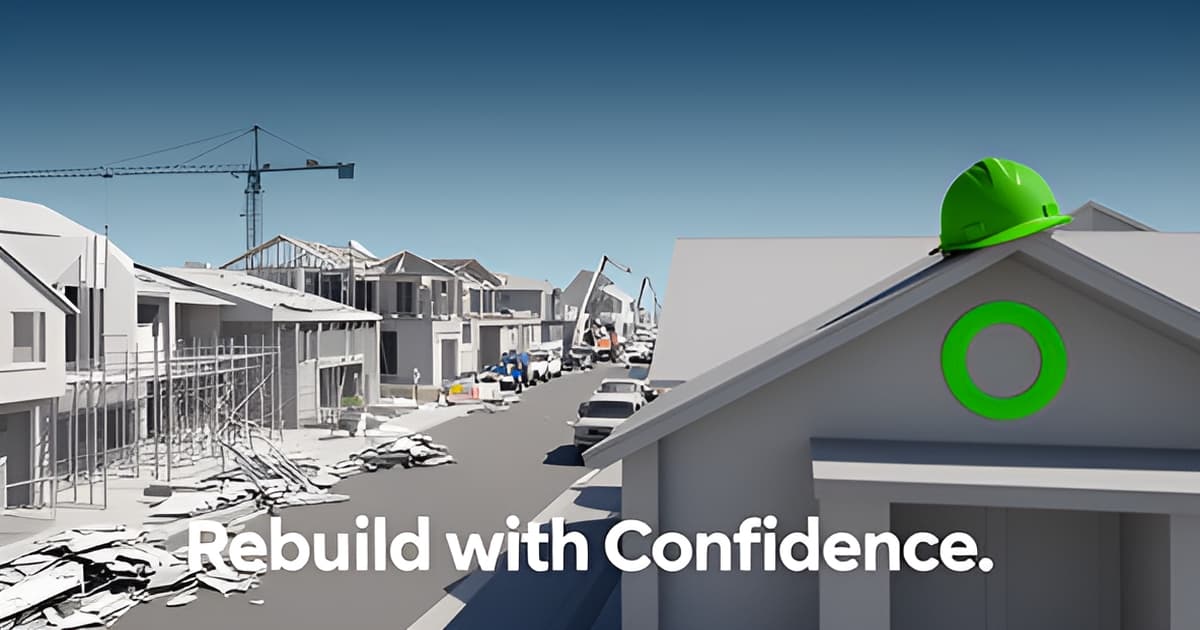
Rebuilding in Altadena After the Fire: First 90 Days
Key Facts
- Only 23 of nearly 6,000 significantly damaged Altadena properties had been fully rebuilt as of December 2025 per Catalyst California's tracking
- Roughly 70% of damaged homes in the Eaton Fire burn scar remain in 'rebuilding limbo' according to UCLA LPPI research
- 62% of 2025 LA fire survivors reported being underinsured, with another 33% unsure per a United Policyholders survey
- Rebuilding a 1,500 sq ft home costs about $750,000 against average Altadena coverage of $607,000 — a $140,000+ gap Catalyst California found
- Private debris removal averaged roughly $100,000 per parcel after the Camp Fire based on rebuild cost analyses
- Lead remained above residential standards at many properties even after debris removal per county-contracted testing
- Fire-resilient building costs less than 10% more but cuts destruction risk by up to 43% according to rebuild cost analysis
Why the First 90 Days Decide Everything — and Why So Many Altadena Homeowners Are Stuck
Nearly a year after the Eaton Fire destroyed 9,413 structures across 14,000 acres, recovery tracking data shows only 23 of roughly 6,000 significantly damaged residential properties had completed rebuilding as of December 2025. If you're still staring at a cleared — or uncleared — lot, you are not behind because you're slow. You're behind because the first 90 days after a fire quietly decide almost everything that follows.
The numbers tell a stark story. UCLA LPPI research found roughly 70% of damaged homes in the burn scar remain in "rebuilding limbo" — not rebuilt, not sold, not moving. And per Catalyst California's analysis, 57% of owner-occupied and 58% of renter-occupied damaged properties had no permit applications on file at all.
Here's the uncomfortable truth: the bottleneck isn't construction — it's the decisions made, or missed, in the first 90 days. LA County has actually accelerated permitting, targeting 10 business days for initial review. The delays come from upstream: debris removal deadlines, insurance settlements, soil safety, and contractor selection.
Four failure points trap most homeowners:
- Debris removal deadlines. The free USACE Phase 2 program required a Right of Entry form by April 15, 2025; missing it meant opting out — and private removal runs near $100,000 per parcel based on Camp Fire benchmarks.
- Insurance shortfalls. Rebuilding a 1,500 sq ft home at $500/sq ft costs $750,000 against average Altadena coverage of $607,000 — a gap exceeding $140,000 before temporary housing.
- Soil contamination. County-contracted testing confirmed lead levels remained above residential standards at many properties even after debris removal.
- Contractor selection. Fraud red flags — door-to-door solicitation, large upfront payments, pressure to sign — surge after disasters, and one wrong signature can derail a settlement.
Pre-construction alone — debris, hazmat, soil testing, engineering, permits — commonly consumes $75,000–$200,000 before framing begins, according to rebuild cost analyses. Meanwhile, demand surge can raise prices 20–40% within months and keep them elevated for a year or more.
The good news: every one of these decisions is navigable with the right information and the right licensed team. That's why Altadena Builder Directory exists — a free, independent registry where every listing is verified against the California Contractors State License Board, so you can confirm a builder's license before you ever sign anything.
The first 90 days don't have to be the ones that got away. Understanding what they decide — and acting deliberately within them — is the difference between the 23 finished homes and the thousands still waiting.
The Four Pillars of a Strong First 90 Days: Debris, Soil, Insurance, and Budget
The difference between the 23 Altadena households who finished rebuilding and the thousands still in limbo often comes down to decisions made in the first three months. Get these four pillars right — debris, soil, insurance, and budget — and the rest of the rebuild gets dramatically easier.
Pillar 1: Debris removal. The USACE-managed Phase 2 program clears fire debris at no out-of-pocket cost regardless of insurance status, but it requires a Right of Entry form, and missing the April 15, 2025 deadline was treated as opting out, according to LA County's debris removal program. The alternative is stark: private removal under CalRecycle's Camp Fire contract averaged roughly $100,000 per parcel. Opting out also requires County approval, an asbestos plan filed with South Coast AQMD, and the decision is irreversible once work begins.
Pillar 2: Soil testing. Do not assume a cleared lot means a safe lot. USACE removes up to 6 inches of soil in the ash footprint, but county-commissioned testing found lead remained above acceptable residential levels at many properties even after debris removal. Independent soil testing belongs in your budget, not on your wish list.
Pillar 3: Insurance. A United Policyholders survey found 62% of 2025 LA fire survivors reported being underinsured — and another 33% didn't yet know. The math is unforgiving: rebuilding a 1,500 sq ft home at $500/sq ft costs about $750,000 against average Altadena coverage of $607,000. Treat the adjuster's estimate as a starting point, not a final number, and review code-upgrade and ALE terms before signing anything.
Pillar 4: Budget. Pre-construction alone — debris, hazmat, soil testing, engineering, permits — commonly runs $75,000–$200,000 before a single wall goes up, and demand surge can spike costs 20–40% for a year or more. Build your budget in five phases with a 20–30% contingency:
- Debris and hazmat clearance
- Site prep, soil testing, and permits
- Foundation and structural work
- Construction and finishes
- Contingency (20–30%) for demand surge and change orders
As you bring in professionals for phases two through five, verify every contractor's license before signing — the Altadena Builder Directory offers a free CSLB license-lookup tool, and post-fire fraud red flags include door-to-door solicitation and large upfront payments. Budget only for construction, and you'll run out of money mid-project. The families rebuilding successfully treated these four pillars as one connected plan — each one protecting the others.
Choosing a Rebuild Path and a Contractor You Can Actually Trust
Once your lot is cleared, the biggest decisions aren't about hammers and nails — they're about design standards, delivery methods, and who you hire. Get these right, and your rebuild moves faster and survives the next fire.
Build to the new codes from day one. New homes in wildfire areas must comply with Chapter 7A exterior exposure rules, and the WUI Code (Title 24, Part 7) takes effect January 1, 2026, with defensible space legally required to 100 feet under PRC 4291. According to rebuild cost analysis, WUI compliance added $13,070 to a 1,750 sq ft Altadena model home, while the IBHS Wildfire Prepared Home Plus standard added $15,242 — less than 10% more cost for up to 43% lower destruction risk.
Consider prefab or an ADU-first path to compress the timeline. Completed factory-built rebuilds now exist in Altadena, with timelines like 5–6 months of design and permitting plus 6–8 weeks of installation — meaning prefab rebuilds finish in under a year. UCLA researchers caution prefab isn't automatically cheaper once site work and foundations are counted; the real value is price stability and speed. LA County also allows building a standalone ADU before the primary home, letting families return to their lot sooner.
Know the fraud red flags before anyone knocks. Post-disaster contractor fraud follows predictable patterns, and recovery guides flag three warning signs:
- Door-to-door solicitation immediately after the fire
- Requests for large upfront payments before work begins
- Pressure to sign a contract on the spot, without review
The rule is simple: never sign a contractor agreement without reviewing it carefully first. And before any signature, verify the contractor's license with the California Contractors State License Board — every legitimate builder will expect you to.
The Altadena Builder Directory makes that verification step easy. Every listing in the registry is license-checked against CSLB data, ratings come only from real attributed public sources, and the free license-lookup tool lets you independently confirm any contractor in California — including fire-rebuild specialists, ADU builders, and design-build firms serving Altadena.
One more caution: with only 23 of nearly 6,000 significantly damaged properties fully rebuilt as of December 2025, demand for quality builders far exceeds supply. That scarcity is exactly when unlicensed operators move in. Take the extra day to verify, and you protect both your budget and your rebuild.
ctaText: Browse the Altadena Builder Directory — every listing license-verified against CSLB before you ever make a call. socialProofText: Every contractor in our Altadena registry carries a verification seal confirmed against California Contractors State License Board data — no paid rankings, ever.
Your 90-Day Action Plan: From Right of Entry to Signed Contract
The difference between homeowners who are rebuilding and those still stuck in limbo often comes down to a handful of decisions made in the first three months. With only 23 of nearly 6,000 significantly damaged Altadena properties fully rebuilt as of December 2025, per Catalyst California's tracking, moving deliberately through these steps matters more than moving fast.
Submit your Right of Entry (ROE) form and decide on foundation removal. The free, federally funded USACE Phase 2 debris program costs you nothing out of pocket regardless of insurance status, per LA County's recovery portal. Opting out is irreversible once work begins, and private removal ran roughly $100,000 per parcel after the Camp Fire. Foundation removal is optional and specified on the ROE form, so decide before you sign.
Document everything and keep every receipt. Insurance is the dominant rebuild bottleneck: a United Policyholders survey found 62% of 2025 LA fire survivors were underinsured. Treat the adjuster's estimate as a starting point, not a final number, and never sign contractor agreements without review.
Get independent soil testing. USACE removes up to 6 inches of soil in the ash footprint, but county-contracted testing by Roux Associates confirmed lead can persist above residential standards even after debris removal. Don't assume a cleared lot is a safe lot.
Your 90-day checklist, in order:
- Submit the ROE form (and record your foundation-removal decision) before the deadline.
- Photograph everything, open an organized receipts file, and log every insurer conversation.
- Commission independent soil testing once debris removal completes.
- Visit LA County's one-stop Permit Centers — initial Building and Safety/Fire review targets 10 business days, with 5-day rechecks.
- Verify every contractor's license before signing anything.
That last step deserves emphasis. Fraud red flags after wildfires include door-to-door solicitation, large upfront payments, and pressure to sign immediately, per rebuild advisory guidance. Use the free CSLB license-lookup tool to confirm any California contractor's status before committing — or browse the Altadena Builder Directory, where every listing is license-verified against CSLB records and shows a verification seal once the match is confirmed. There are no paid rankings, and featured placements are always labeled as such.
Ninety days of disciplined follow-through won't rebuild your home, but it will put you in the small group of Altadena homeowners with permits in hand and a builder under contract — instead of joining the roughly 70% still in rebuilding limbo per UCLA LPPI's research.
Frequently Asked Questions
Why have so few Altadena homes actually been rebuilt since the Eaton Fire?
I missed the April 15, 2025 Right of Entry deadline for free debris removal — what now?
My lot has been cleared of debris — is the soil safe to build on?
Will my insurance actually cover the full cost of rebuilding in Altadena?
How much should I budget beyond construction costs for my rebuild?
How do I avoid contractor fraud while rebuilding after the fire?
The First 90 Days Are Yours to Win
Rebuilding in Altadena isn't stalled because construction is slow — it's stalled because the earliest decisions around debris, soil, insurance, and budget quietly set the trajectory for everything after. With only 23 of nearly 6,000 significantly damaged properties fully rebuilt as of December 2025, per Catalyst California's tracking, the homeowners moving forward are the ones who submitted their Right of Entry on time, tested their soil independently, pressure-tested their insurance settlement, and budgeted across all five phases with a 20–30% contingency. Your next steps are concrete: document everything, commission soil testing once debris removal completes, visit LA County's one-stop Permit Centers, and — before any signature — verify your contractor's license against CSLB records. That last step protects everything else. The Altadena Builder Directory makes it simple: every listing is license-verified, ratings come only from real attributed public sources, and the free license-lookup tool lets you confirm any California contractor in minutes. Browse the directory today and take the one step that safeguards your entire rebuild.