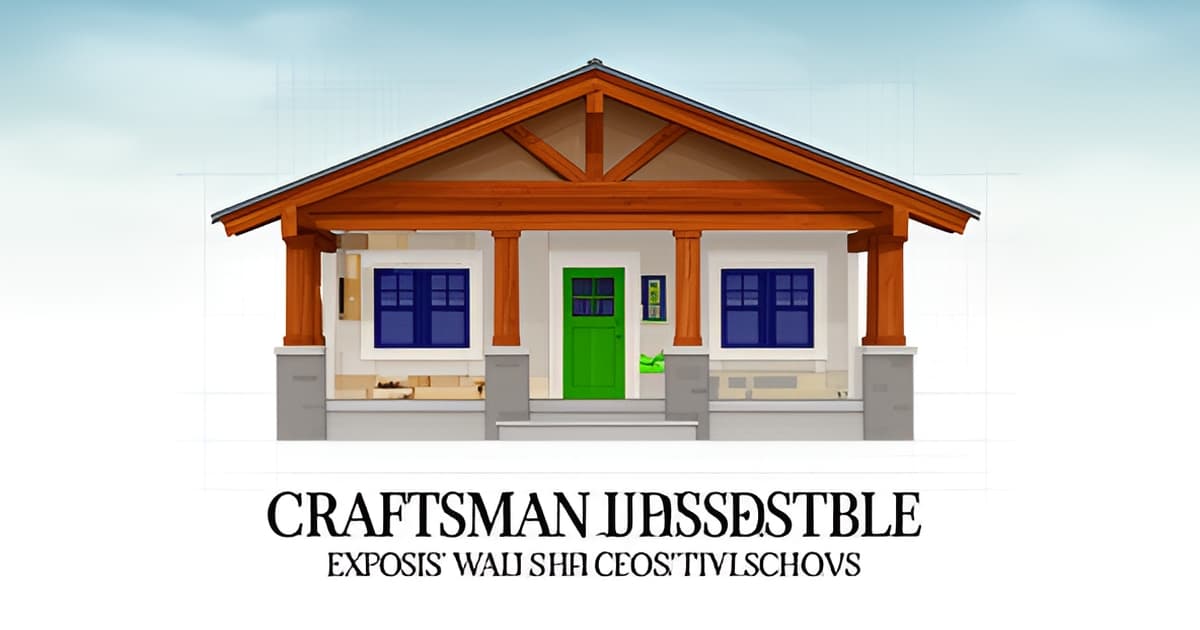
Restoring a Craftsman Home: Costs and Contractor Considerations
Key Facts
- Craftsman remodels run $100,000–$200,000+, outpacing comparable bungalow remodels at $85,000–$150,000, per contractor cost data.
- A 70-year study across 20 countries found 85% of construction projects exceed budget, averaging 28% overruns, according to restoration industry analysis.
- The '1/3 Rule' says historic renovations cost roughly one-third more than estimated, with 25–35% contingency recommended for pre-1940 homes, per the Craftsman Blog.
- Historic district requirements add 15–25% to project costs and can mandate $1,200 wood windows over $300 vinyl alternatives, industry guidance shows.
- Full removal of knob-and-tube wiring can reach $36,000, while galvanized repiping runs $1,500–$15,000, restoration experts report.
- Craftsman homes carry a median price of $467,000 — about $42,000 above the national median — and appreciated 43.7% over six years, Realtor.com data shows.
- Hiring contractors without heritage experience causes overruns, delays, and substandard results, heritage renovation research warns.
Why Craftsman Restoration Costs More Than You Think
Every Craftsman owner eventually learns the same lesson: the number in the contractor's estimate is not the number you will pay. The homes reward patience and punish optimism, and the gap between the two is where budgets go to die.
The baseline is already steep. According to a contractor cost guide, Craftsman remodels run $100,000–$200,000+, compared with $85,000–$150,000 for comparable bungalows. The premium comes from the very features that make these homes desirable: distinctive woodwork and architectural details requiring specialized labor.
Then reality compounds. A 70-year study across 20 countries found that 85% of construction projects exceed budget, with an average overrun of 28% — and pre-1940 homes fare worse. For homes of that era, hidden conditions and regulatory layers stack up fast:
- Structural surprises behind the walls — rot, foundation issues, non-code framing — add 20–30% to budgets
- Permitting, preservation review, and material restrictions add another 10–15%
- Combined, pre-1940 projects face expected overruns of 30–45%
This is where the 1/3 Rule comes in: historic renovations cost roughly one-third more than initial estimates. Practitioners recommend a total contingency of 25–35% for pre-1940 homes, built from three layers — a base reserve, a discovery reserve for what demolition reveals, and a regulatory reserve. If your contractor's estimate doesn't include a serious contingency line, that estimate is fiction.
The regulatory layer deserves special attention in a place like Altadena, where many Craftsman homes predate 1940. Historic district requirements alone add 15–25% to project costs, and preservation rules can mandate restore-over-replace decisions — a $1,200 wood window where a $300 vinyl unit would otherwise suffice.
None of this means the project isn't worth it. Craftsman homes carry a median price of $467,000 and have appreciated 43.7% over six years, so the math favors those who restore thoughtfully. But budget for the top of the range, not the bottom. As restoration professionals bluntly advise, if you can only afford the bottom number, you probably can't afford the project yet.
Before you sign anything, vet your contractor's credentials — the Altadena Builder Directory's free CSLB license-lookup tool lets you verify any California contractor's license against the California Contractors State License Board before money changes hands.
The Hidden Cost Drivers Behind Your Walls
The most dangerous line item in a Craftsman restoration budget is the one you can't see yet. Behind that charming plaster and those original built-ins often lurk systems that were never designed for modern demands — and discovering them mid-project is what separates a planned renovation from a financial freefall.
Electrical and plumbing are the two biggest wall-cavity gambles. Many pre-1940 homes still contain knob-and-tube wiring, and while a minor rewiring job might run around $600, full removal of the system can reach up to $36,000. Galvanized supply pipes pose a similar threat: a complete repipe ranges from $1,500 to $15,000 depending on the home's size and how accessible the runs are.
Structural surprises compound the damage. Rot, foundation issues, and non-code framing found during demolition add another 20–30% to budgets, while permitting and material restrictions contribute 10–15% more — for a combined expected overrun of 30–45% on pre-1940 homes, according to restoration industry analysis.
If your home sits in a historic district, expect a further premium of 15–25% on project costs, driven by extended permitting and strict material requirements. Preservation review can also force restore-over-replace decisions — a $1,200 wood window where a $300 vinyl unit would have sufficed, per window.
- Knob-and-tube wiring removal: up to $36,000 for a full system
- Galvanized repiping: $1,500–$15,000 depending on accessibility
- Structural discoveries: +20–30% of your base budget
- Historic district requirements: +15–25%, including mandated wood windows at four times the cost of vinyl
Then there are the materials you'll actually choose. Period-appropriate finishes like quarter-sawn oak, Douglas fir, and handcrafted tile from artisan makers raise costs — but as architects note, they add lasting value and preserve the soul of the house. Custom millwork for moldings and cabinetry is a major expense, and skilled restoration labor is in high demand. That's the whole point of restoration versus renovation: you're paying for authenticity, not just function.
The smartest money you can spend is on investigation before contracts are signed. Selective wall cavity opening, asbestos and lead testing (a few hundred dollars), and a structural engineer review (a few thousand) catch these problems cheaply, before they cascade. Pair that diligence with a contractor who has documented historic-work experience — and verify their license first. Every listing in the Altadena Builder Directory is checked against the California Contractors State License Board, and the directory's free lookup tool lets you confirm any California contractor's credentials, including specialists like JMB Builders LLC (CSLB #1103479), before hidden costs find you.
Budgeting Smart: Contingency, Investigation, and Phasing
The homeowners who get wrecked by renovation costs, as one restoration expert puts it, "aren't the ones who spent more than they expected. They're the ones who didn't expect to spend more." Smart budgeting for a Craftsman restoration means planning for surprises before you sign anything.
The numbers justify the caution. A 70-year study spanning 20 countries found that 85% of construction projects exceed budget, with an average overrun of 28% — and pre-1940 homes fare worse. Hidden structural issues alone can add 20–30% to a budget, while permitting and preservation review add another 10–15%.
Instead of a flat 10% cushion, build a tiered contingency of 25–35% for a pre-1940 home: roughly 10% for standard construction surprises, 10–15% for discovery items like rot or non-code framing found behind walls, and 5–10% for regulatory and preservation requirements. If your contractor's estimate has no serious contingency line, treat it as fiction.
Spend a little before you spend a lot. For a few hundred dollars, asbestos and lead testing — essential in pre-1978 homes, where removal requires certified professionals — removes a major unknown. A structural engineer review costs a few thousand dollars and can catch foundation or framing problems before they cascade mid-project.
When the full scope exceeds your wallet, phase the work rather than cutting corners:
- Prioritize structure and weather-tightness — roof, foundation, and envelope — before cosmetic work
- Address hazardous systems like knob-and-tube wiring early, since full removal can run up to $36,000
- Restore rather than replace where possible; a $1,200 wood window may be required in a historic district anyway, so budget for it upfront
- Get multiple bids so you can compare scope, not just price
Also explore offsets: local, state, and federal preservation grants and tax incentives, plus FHA 203(k) financing, can meaningfully reduce out-of-pocket costs.
Finally, vet your contractor's credentials before any contract. Altadena Builder Directory offers a free CSLB license-lookup tool that verifies any California contractor against the Contractors State License Board, so you can confirm you're hiring a licensed, restoration-capable team before your contingency budget is ever tested.
Choosing the Right Contractor for Period-Accurate Work
On a Craftsman restoration, the most expensive line item isn't the millwork or the plaster — it's the wrong contractor. Research on heritage renovation identifies hiring contractors without historic-work experience as a common mistake, and warns that the wrong hire "can lead to cost overruns, delays, conflicts, and substandard results."
The stakes are unusually high on period homes. Craftsman remodels run $100,000–$200,000+, above comparable bungalow or mid-century projects, precisely because distinctive woodwork and architectural details demand specialized attention. A generalist who can hang drywall beautifully may not know how to replicate a molding profile or repair a slate roof.
What to look for in a restoration contractor:
- A portfolio of completed historic restorations, not just remodels
- Documented experience with period materials — quarter-sawn oak, Douglas fir, handcrafted tile
- Familiarity with preservation review and historic district requirements, which add 15–25% to project costs
- A restore-over-replace philosophy: assessing whether trim, built-ins, and fixtures can be saved before ripping them out
That last point matters financially, not just aesthetically. Market data shows buyers pay premiums for original woodwork, built-in cabinetry, exposed beams, and intact fireplaces — and light restoration work like refinishing woodwork or polishing original hardware directly amplifies perceived value. A contractor who replaces what could be restored is spending your equity.
As one architecture firm advises, work with professionals experienced in historic design who can keep "the soul of the house" while making it function for modern life. That includes specialists who can route new wiring and ducts without damaging character features, keeping changes minimal and reversible.
Before signing anything, verify credentials. In California, any legitimate contractor holds an active CSLB license, and homeowners can confirm it in minutes. The Altadena Builder Directory offers a free CSLB license-lookup tool that checks any California contractor against California Contractors State License Board records, and listings display a verification seal once a license match is confirmed.
Licensing is the floor, not the ceiling — a valid license tells you a contractor is legal, not that they can match a 1912 window casing. Pair the license check with portfolio review, multiple bids, and references from other period-home owners. On a project where a single wood window can cost $1,200 against a $300 vinyl alternative, the difference between a heritage-experienced contractor and a well-meaning generalist is measured in tens of thousands of dollars.
The Payoff: What Restoration Returns
If you've made it through the budgeting gauntlet, here's the good news: Craftsman restoration tends to pay you back. These homes carry a median price of $467,000 — roughly $42,000 above the national median — and have appreciated 43.7% over six years, according to Realtor.com market data.
Originality is what buyers are paying for. Real estate professionals note that Craftsman homes "often command a premium for originality, location, and condition," and that light-touch restoration work — refinishing woodwork, polishing original hardware, restoring period lighting — directly amplifies a home's perceived value. The built-ins, exposed beams, and intact fireplaces that make these homes distinctive are precisely the features agents say drive buyer appeal.
That's why the costly mistakes covered earlier matter so much. Removing built-in cabinetry, altering the roof pitch, or covering original woodwork with glossy synthetic finishes doesn't just erase character — it erases the very premium you're trying to protect. As one architecture firm puts it, real wood, handcrafted tile, and historically accurate finishes elevate a renovation even when they stretch the budget, while trendy finishes that clash with original details work against it.
The math favors owners who preserve rather than replace:
- Owners of 10+ years are likely to see nearly a 50% increase in sale price.
- A Kirkwood, Atlanta Craftsman listed at $520,000 — a 51.6% jump from its 2015 sale.
- Buyers pay premiums for well-executed restorations that pair authenticity with modern systems and reliable workmanship.
Restoration done right compounds the premium; restoration done wrong forfeits it. The difference usually comes down to who holds the tools. Contractors without heritage experience are a named cause of overruns, delays, and substandard results, so verifying credentials before signing is one of the highest-return steps you can take. Every listing in the Altadena Builder Directory is license-verified against the California Contractors State License Board, and a free CSLB lookup tool lets you check any California contractor yourself — a listing like JMB Builders LLC (CSLB #1103479) carries a verification seal once its license match is confirmed.
If you can only afford the bottom number, you probably can't afford the project yet — but if you budget honestly, protect the original details, and hire proven hands, a Craftsman restoration is one of the few projects where patience and craftsmanship translate directly into resale value.
Frequently Asked Questions
How much does it actually cost to restore a Craftsman home?
What is the 1/3 Rule and how much contingency should I budget for an old home?
What hidden costs should I expect behind the walls of a pre-1940 Craftsman?
Does living in a historic district really make restoration more expensive?
Is restoring a Craftsman home worth the money, or should I just renovate it modern?
How do I pick the right contractor for period-accurate Craftsman work?
Restoration Rewards the Prepared
Restoring a Craftsman home isn't for the faint of wallet — but it's one of the few renovation projects where the math genuinely works in your favor. With Craftsman homes commanding a median price of $467,000 and appreciating 43.7% over six years, owners who budget honestly and preserve original character aren't just maintaining a house — they're compounding an asset. The playbook is straightforward: build a tiered contingency of 25–35%, invest a few hundred dollars in testing and a few thousand in a structural review before signing anything, phase the work when the full scope exceeds your budget, and protect the built-ins, woodwork, and period details buyers pay premiums for. Above all, hire hands with documented heritage experience — the wrong contractor is the most expensive line item on any restoration. Before any contract is signed, verify credentials through the Altadena Builder Directory's free CSLB license-lookup tool, where every listing is license-verified against the California Contractors State License Board. Your Craftsman has already stood for a century; give it a team worthy of the next one.