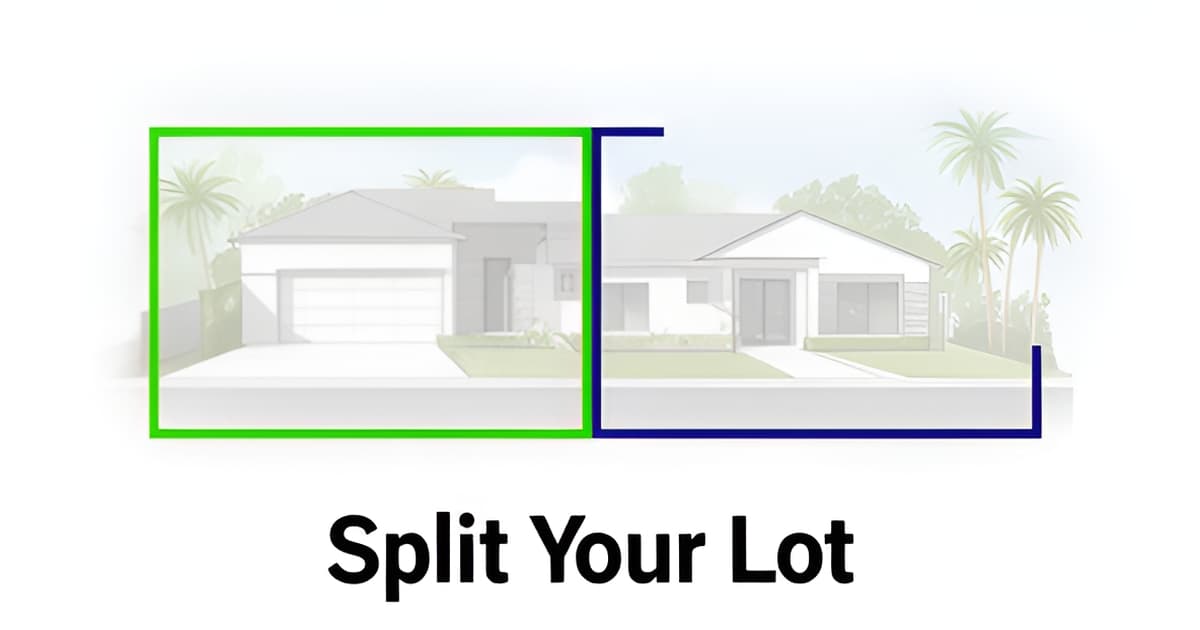
SB 9 Lot Splits in LA County: Requirements and Costs
Key Facts
- LA received 28 SB 9 lot split applications in 2022 and approved zero, per UC Berkeley's Terner Center.
- Researchers estimated SB 9 could unlock over 700,000 market-feasible homes statewide.
- An SB 9 lot split typically costs $10,000–$100,000, starting around $55,000 per Maxable.
- Most California cities take 18 months to 2 years to process a lot split.
- Each new SB 9 parcel must be at least 1,200 sq ft under LA County's official guidelines.
- LA permitted 5,064 ADUs in 2021 while approving just 38 SB 9 units and zero lot splits.
- SB 9 owners must sign a 3-year owner-occupancy affidavit per JDJ Consulting guidance.
Why So Few SB 9 Lot Splits Actually Get Approved in LA
When California lawmakers passed SB 9 in 2021, researchers estimated the law could unlock more than 700,000 market-feasible homes statewide. Los Angeles told a very different story: in 2022, the city received 28 lot split applications and approved zero, according to UC Berkeley Terner Center data. For context, LA permitted nearly 20,000 new homes in 2021 — meaning SB 9 lot splits contributed essentially nothing to the city's housing pipeline.
So why the gap between promise and reality? The answer matters for any LA County homeowner weighing a split.
High interest, low follow-through. Local planners interviewed by the Terner Center report heavy inquiry volumes about SB 9 that never convert into applications, likely because of the time, cost, and expertise the process demands. A split typically runs $10,000–$100,000 and takes 18 months to 2 years, per ADU consulting firm Maxable. That's a serious commitment before a single foundation is poured.
Local ordinances raise the bar. Many California municipalities have adopted ordinances that make SB 9 projects "prohibitive to actually build," as early adoption data reveals — imposing caps on unit size, height limits, and design rules that state law prohibits for ADUs.
Geometry is unforgiving. Homes typically sit in the center of their parcels, making splits physically difficult on smaller lots. The cities seeing the most lot split activity — like Danville and Saratoga — are places with large lots, not dense LA neighborhoods where a 2,400 sq ft minimum (two 1,200 sq ft parcels) barely fits.
ADUs win the competition. State ADU law offers lower fees, no owner-occupancy requirement, and streamlined permitting — protections SB 9 lacks. The result: LA permitted 5,064 ADUs in 2021 while approving zero lot splits. ADUs now account for nearly one-fifth of all new units permitted statewide.
Before pursuing a split, honestly assess these factors:
- Lot size — can it produce two parcels of at least 1,200 sq ft each under the 40/60 rule?
- Access — corner lots and alley access work far better than mid-street configurations
- Location — fire hazard zones, flood zones, and historic districts are excluded
- Commitment — the 3-year owner-occupancy requirement and 18-month-to-2-year timeline
If a split looks marginal, an ADU often delivers similar density with fewer hurdles. Either way, a project of this scale demands a licensed, vetted contractor — Altadena Builder Directory's free CSLB license-lookup tool lets you verify any California contractor before signing, and every listing in the registry is license-verified. For Altadena homeowners, especially those navigating fire-zone restrictions on rebuild-adjacent projects, that verification step is the cheapest insurance you'll buy.
Eligibility Checklist: Does Your LA County Lot Qualify?
Before you spend a dollar on surveys or applications, you need to know whether your lot clears SB 9's eligibility bar — and in LA County, that bar catches many homeowners by surprise. Of the 28 lot split applications Los Angeles received in 2022, Terner Center tracking found zero were approved, often because properties failed basic requirements early in the process.
Start with zoning. Your property must sit in single-family residential zoning — R1, RA, or RS — to qualify for an urban lot split, according to LA-area planning consultants. Multi-family or commercial zoning disqualifies the parcel entirely.
Next, run the numbers on lot size and geometry. LA County's official SB 9 guidelines require each new lot to be at least 1,200 square feet, meaning your original parcel needs roughly 2,400 square feet minimum. The split must also stay within a 40/60 ratio, so a heavily lopsided division won't pass review. A 5,000-square-foot lot, for example, can divide into two roughly 2,500-square-foot parcels.
SB 9 also imposes structural and occupancy rules that trip up applicants:
- One split per lot — once divided under SB 9, neither new parcel can be split again
- A 3-year owner-occupancy affidavit — you must live in one of the units for at least three years
- No demolishing units rented within the last 3 years, protecting existing tenants
- A final map must be recorded before any construction begins
Exclusion zones matter enormously in the Altadena area. LA County excludes lots in fire hazard severity zones, along with coastal zones, wetlands, flood-prone areas, and parcels constrained by earthquake hazards. Historic districts and conservation areas are also off-limits. Given Altadena's hillside terrain and fire-affected landscape, many local parcels fail this screen before anything else — check your hazard zone status first.
Physical layout matters just as much as paperwork. Practical guidance from SB 9 consultants identifies corner lots and alley-access properties as the easiest splits, since each new parcel needs its own street access. Mid-block lots often struggle to provide legal access to a rear parcel, and flag lots can draw jurisdictional pushback.
If your lot passes these screens, the next step is assembling a qualified team — surveyor, engineer, and builder. The Altadena Builder Directory lists local contractors with license data verified against the California Contractors State License Board, so you can confirm credentials before committing to a multi-year project.
What an SB 9 Lot Split Really Costs and How Long It Takes
An SB 9 lot split is a significant financial commitment, and the numbers surprise many homeowners. According to industry guidance on SB 9 projects, costs range from roughly $10,000 to $100,000, with typical projects starting around $55,000 — and that's before any construction begins.
The timeline is equally important to plan around. Most California cities process lot splits in 18 months to 2 years, even though SB 9 approval is ministerial and skips public hearings. A final map must be recorded before any construction can start, which extends the runway considerably.
So where does the money go? The costs break down into three broad categories:
- Application fees — ranging from hundreds to thousands of dollars, depending on the jurisdiction and required reviews.
- Survey and engineering work — typically a few thousand to tens of thousands of dollars, covering boundary surveys, parcel maps, and site design.
- Legal and administrative costs — variable, but often substantial given the owner-occupancy affidavit and multi-department review process.
One caveat: specific LA County fee schedules aren't published in currently available sources, so homeowners should budget conservatively and confirm current fees directly with the county before committing. Underestimating soft costs is one of the documented reasons SB 9 projects stall — high costs and lack of homeowner building expertise are among the barriers researchers have identified.
The slow uptake in Los Angeles reflects these realities. Through November 2022, LA received 28 lot split applications and approved zero, while approving only 38 of 211 SB 9 unit applications, according to UC Berkeley's Terner Center. Many homeowners who inquire about lot splits ultimately pursue ADUs instead, which carry lower fees, no owner-occupancy requirement, and streamlined permitting.
Given the multi-year timeline and the roster of professionals involved — surveyors, engineers, builders — it pays to vet your team carefully before spending tens of thousands of dollars. Altadena Builder Directory lists license-verified contractors, with every listing checked against the California Contractors State License Board through a free lookup tool. Whether you're weighing a lot split against an ADU or ready to move forward, confirming credentials first is the cheapest insurance you can buy.
SB 9 Split vs. ADU: Choosing the Right Path for Your Property
If you own a single-family lot in LA County, you technically have two state-law paths to add housing: an SB 9 lot split or an ADU. But the data shows homeowners overwhelmingly choose one of them — and the reasons are worth understanding before you commit.
The numbers are stark. Los Angeles permitted 5,064 ADUs in 2021, while approving just 38 SB 9 units — and zero lot splits — through November 2022, according to UC Berkeley Terner Center tracking. That's not a marketing accident. It reflects real structural differences between the two programs.
ADUs benefit from state laws that impose lower fees, no owner-occupancy requirement, standardized design rules, and streamlined permitting — protections SB 9 projects lack, as early adoption analysis confirms. Some cities even impose requirements on SB 9 projects that state law prohibits for ADUs. Local planners told the Terner Center that these prescriptive ADU rules are likely steering homeowners away from SB 9 entirely.
SB 9 also carries heavier burdens ADUs don't:
- An owner-occupancy affidavit requiring you to live in one unit for at least 3 years
- Costs starting around $55,000 for the split alone, with timelines of 18 months to 2 years
- A final map recorded before any construction can begin
- Exclusion from fire hazard, flood, coastal, and historic zones
One genuinely confusing question: can you add ADUs after a split? Guidance conflicts. Maxable says you cannot combine the lot split and duplex provisions with ADUs, while JDJ Consulting suggests up to 4 units plus ADUs may be possible where local rules allow. Get a written determination from your planning department before assuming either answer.
So when does a split make sense? Larger lots — especially corner or alley-access properties — have the best odds, since homes typically sit at parcel centers, making smaller lots geometrically difficult to divide.
The honest question every homeowner should ask: do you need two separate, sellable parcels, or do you just need more housing on the lot you already own? If it's the latter, an ADU likely gets you there faster, cheaper, and without an occupancy restriction. If you're weighing either path, the Altadena Builder Directory lists license-verified ADU and custom home builders — every listing checked against CSLB records — so you can confirm credentials before the first site visit.
Your Next Steps: From Feasibility Check to Hiring a Verified Builder
Knowing the rules is one thing; turning them into an approved lot split is another — and LA's track record shows why a disciplined checklist matters. The city received 28 lot split applications in 2022 and approved zero of them, so every step you take before filing shapes your odds.
Start with exclusion zones. Per LA County Planning, lots in coastal zones, wetlands, or areas constrained by fire, earthquake, and flood hazards are ineligible — and historic districts, high-risk fire zones, and conservation areas are also restricted. For Altadena-area homeowners in fire-affected neighborhoods, this screening step is especially critical before spending money on surveys.
Next, verify your lot's geometry. Each new parcel must be at least 1,200 sq ft, and the split must fall within a 40/60 size ratio. Practical guidance suggests corner lots or alley-access properties work best, while mid-street lots often face access problems and flag lots may draw jurisdictional pushback. Remember the one-split-per-lot limit and the 3-year owner-occupancy affidavit before committing.
Once eligibility checks out, sequence your process correctly:
- Record the final map before any construction begins — LA County requires it, and Ministerial Site Plan Review then approves the development itself.
- Budget realistically: expect $10,000–$100,000 in total costs, starting around $55,000, covering application fees, surveying, engineering, and legal work.
- Plan for an 18-month to 2-year timeline, since SB 9 projects involve surveyors, engineers, and multi-department review.
The ministerial approval path is your friend here — projects meeting objective criteria avoid public hearings and discretionary review, which consultants note is a significant advantage over traditional subdivision processes.
Finally, vet your builder before signing anything. Because an SB 9 project spans 1–2 years of coordination across multiple professionals, the contractor you choose matters as much as your lot's eligibility. Verify any California contractor's license through the free CSLB lookup tool, and browse the license-verified Altadena Builder Directory registry — every listing carries a verification seal once a CSLB license match is confirmed, with ratings drawn only from real attributed public sources. A few minutes of verification upfront protects an investment measured in tens of thousands of dollars and years of your life.
The Bottom Line: Know Your Lot, Know Your Builder
SB 9 lot splits promised to unlock thousands of homes across California, but the reality in LA County is sobering: 28 lot split applications in 2022, zero approved, while 5,064 ADUs were permitted in 2021 alone, according to UC Berkeley's Terner Center. The takeaway isn't that splits are impossible — it's that they demand honest self-assessment. Check your exclusion zones first, especially if you're in a fire hazard area near Altadena. Confirm your lot can yield two 1,200-square-foot parcels within the 40/60 rule. Budget $55,000 or more and expect up to two years before construction begins. And if your goal is simply more housing rather than two sellable parcels, an ADU will likely get you there faster and cheaper. Whichever path you choose, your team matters as much as your lot. Before signing anything, use the free CSLB license-lookup tool from the Altadena Builder Directory to verify any California contractor's credentials, or browse the registry of license-verified local builders. A few minutes of verification is the cheapest insurance you'll buy on a six-figure, multi-year project.