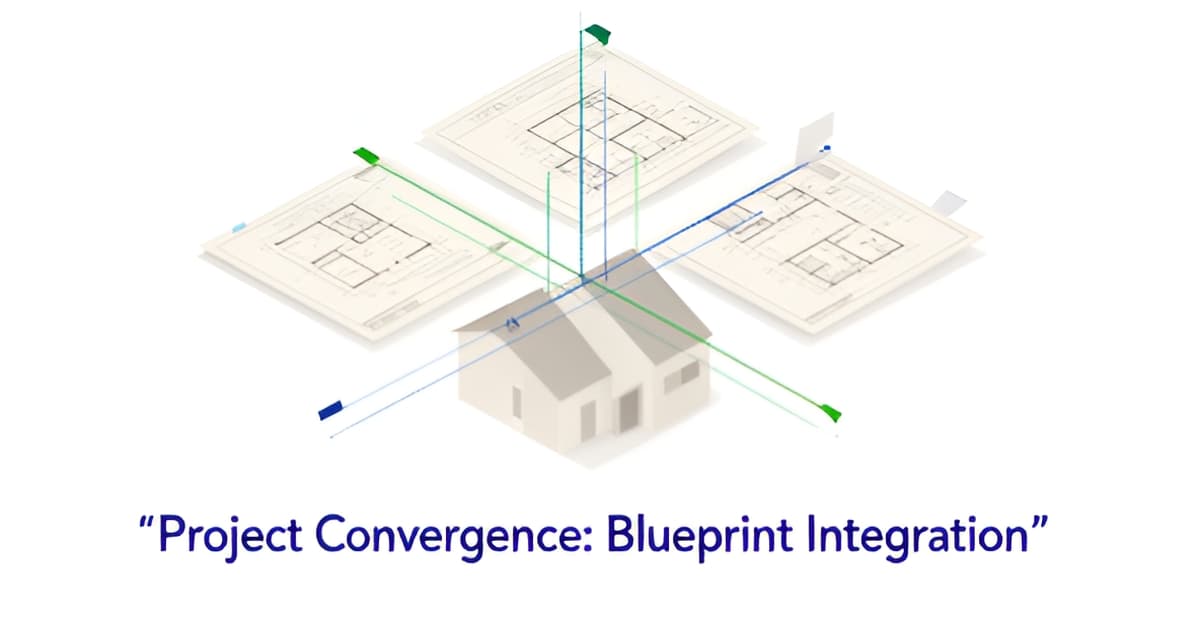
Separate Contracts, One Project: Coordinating Architect, Builder, and Consultants
Key Facts
- Design-build is projected to capture over 47% of U.S. construction spending by 2028 — roughly $2.6 trillion — per FMI figures cited by DBIA.
- Most construction claims originate 'not from design errors, but from misaligned expectations' between separate contracts, according to AIA Contract Documents.
- Builder-side practitioners recommend pricing accuracy targets of ±20% at Schematic Design, ±15% at Design Development, and ±10% at Construction Documents, per BPC Green Builders.
- A $27K lighting package can balloon to $130K with advanced controls — one of five common cost blow-up points identified by builder Ben Bogie.
- 76% of owners reported a very good or excellent design-build experience, per DBIA data cited by CRB Group.
- Folding design services into a contractor's 'Work' warranty can create uninsurable liability, since E&O policies cover standard-of-care failures only, construction attorneys at Peckar & Abramson warn.
- AIA C401 flow-down provisions create a continuous chain of responsibility from owner to architect to consultants, without turning consultants into employees.
You Are the Integrator: Why Separate Contracts Create Coordination Risk
You've hired the architect. You've hired the builder. You've hired a structural engineer. What you probably haven't hired is anyone whose job is to make those three contracts work together — because in a separate-contract setup, that job is yours.
According to AIA Contract Documents, many claims and disputes originate "not from design errors, but from misaligned expectations." When no single contract binds your team, you become the integrator — the person responsible for catching gaps before they become change orders. AIA research identifies four failure modes that show up again and again:
- Scope gaps — no one is contractually responsible for a piece of the project.
- Overlapping scope — two parties each assume the other isn't doing work both are doing.
- Broken coordination — consultants aren't required to align their work with each other.
- Liability mismatch — your architect promises you more than their consultants are obligated to deliver.
The pool-shell example makes this concrete. A structural engineer and a pool designer each assumed the other was designing the pool shell. Neither contract said otherwise, so nobody was responsible — and the owner absorbed the gap. As the AIA article puts it, misalignment creates uncertainty, and uncertainty is where risk grows.
The industry itself is moving away from this problem. Per FMI Corporation, as cited by the Design-Build Institute of America, design-build is projected to represent over 47% of construction spending by 2028 — roughly $2.6 trillion over the 2024–2028 forecast period. That growth is the market's verdict: when one contract binds design and construction together, coordination is built in rather than bolted on.
If you keep separate contracts — a legitimate choice many homeowners make for price competition or architect selection — you must deliberately replicate the collaboration a single contract would enforce. That means asking hard questions about scope boundaries before signing, not after the first RFI lands.
Before you sign any builder contract, the free CSLB license-lookup tool from the Altadena Builder Directory lets you confirm any California contractor's license, with data attributed to the California Contractors State License Board. In Altadena's rebuild environment, verifying who you're contracting with is the one coordination task that takes minutes — not months.
Build the Chain of Responsibility: Flow-Down Clauses and Early Builder Involvement
When a structural engineer and a pool designer each assume the other is designing the pool shell, nobody designs it — and the homeowner pays for that gap. According to the AIA Contract Documents guidance, many claims and disputes originate not from design errors, but from misaligned expectations between contracts.
The strongest structural fix is the industry's own: standard AIA forms with "flow-down" provisions. Under AIA B101, responsibility flows from owner to architect; under C401, the architect's obligations — coordination duties, standard of care, information requirements — flow down to each consultant. This creates what AIA calls a continuous, coordinated system of responsibility across the project team, without turning consultants into employees.
Before signing, run this verification chain with your architect:
- Are consultant subagreements based on a standard form like AIA C401, mirroring the architect's B101 obligations to you?
- Is each consultant's scope explicitly tied to an owner-facing responsibility?
- Are coordination requirements between consultants written down, not assumed?
- Have you probed the gray zones — like the pool-shell example — where two parties could each point at the other?
The second fix costs nothing but discipline: bring the builder in on day one. Builder-side practitioners recommend phase-gated pricing with explicit accuracy targets — ±20% at Schematic Design, ±15% at Design Development, ±10% at Construction Documents — so the estimate tightens as drawings mature. As Travis Brungardt of Catalyst Built puts it, "Early on, the cone of uncertainty is huge. Each design loop closes it."
Early involvement also forces a decision about which "side of the table" your builder sits on. Per CRB Group's comparison, a general contractor hired in a lump-sum environment has an incentive to protect or enhance their profit margin, while a construction manager works on a fixed fee "as an extension of the owner's staff." In traditional design-bid-build, market feedback arrives only after full design and bid — so money-saving alternatives usually mean redesign, rework, and delays.
Whichever structure you choose, verify who you're contracting with before the paperwork starts. The Altadena Builder Directory's free CSLB license-lookup tool lets you confirm any California contractor's license, with data attributed to the California Contractors State License Board — a five-minute check that anchors the responsibility chain in a real, licensed name.
Run the Project: Change Protocols, Meeting Cadence, and Role Separation
Once contracts are signed, the project stops being a legal exercise and becomes an operating rhythm — and the research is blunt about why that rhythm matters. The AIA Contract Documents analysis finds that most claims and disputes originate "not from design errors, but from misaligned expectations," and that uncertainty is where risk grows. The fix is procedural discipline, not more paperwork for its own sake.
The change protocol comes from builder-side practitioners who run separate-contract projects regularly. Per guidance from BPC Green Builders, any shift in scope, spec, or detail triggers a same-day flag, a paper trail (clouded drawings plus meeting minutes), a one-page add/credit delta price, and written client approval before work proceeds. As builder Ben Bogie puts it: "Quiet change is expensive change."
The meeting cadence is just as simple. Run biweekly Owner-Architect-Contractor meetings during construction with a standing three-line agenda: decisions due, RFIs, and cost deltas. This replicates, deliberately, what a single design-build contract would enforce automatically — and with design-build projected to represent over 47% of construction spending by 2028 per FMI figures cited by DBIA, the industry is consolidating toward integration precisely because coordination is the hard part.
Role separation should be explicit across all contracts. The architect owns design intent, coordinates consultants, and issues dimensioned, buildable details. The builder runs milestone estimates, maintains an assumptions/allowances log, and flags cost deltas the same day. The client decides on schedule and approves every change in writing. When roles blur, the AIA's illustrative failure case shows what happens: a structural engineer and pool designer each assumed the other would design the pool shell, leaving no one responsible.
Watch the five common cost blow-up points:
- Missing dimensions — "Beauty belongs in the house, not just on the page," as Bogie says of unbuildable drawings.
- Allowance drift, as homeowners upgrade selections beyond budgeted figures.
- Finish complexity that multiplies labor hours late in design.
- Lighting controls — a $27K package can become $130K with advanced controls.
- Acoustics in big volumes — "Size isn't the point—how spaces interact is," per architect Steve Baczek.
Before locking in this operating rhythm, confirm who's actually at the table. The Altadena Builder Directory's free CSLB license-lookup tool lets you verify any California contractor's license before the first biweekly meeting — every listing in the registry is license-verified against CSLB data, so the builder running your estimates is confirmed before they price a single delta.
Match Liability to Insurance — and Verify Every License Before You Sign
The most dangerous words in a construction contract are often the ones nobody reads closely — "Work," "warranty," and "indemnify." When those terms are defined loosely, liability can land on a party who has no insurance to cover it.
The trap works like this: when design services get folded into the definition of the contractor's "Work," warranty and indemnity clauses can impose full liability for design defects on the builder. As construction attorneys at Peckar & Abramson note, that liability may be uninsurable, because professional liability (E&O) policies insure against a failure to meet the applicable standard of care — not against all errors. Architects, they observe, often assert that their standard of care is "not one of perfection," permitting errors to a "reasonable" degree.
The fix is structural, and it applies even to a homeowner juggling an architect, a builder, and a structural engineer on separate agreements:
- Define the warranty of "Work" as construction labor and materials only — keep design services out of it.
- Provide a separate, insurable standard of care for design services in the design professional's contract.
- Make coordination responsibility explicit: if your architect isn't contractually required to coordinate all design work, that duty — and its liability — can fall somewhere unexpected.
This is the same principle the AIA Contract Documents guidance identifies as the root of most disputes: claims that originate "not from design errors, but from misaligned expectations," where liability mismatches between contracts leave a gap no insurer will fill. The Peckar & Abramson authors are blunt about the remedy: experienced construction counsel should review contract language before execution. For a fire-rebuild or custom home budget, a few hours of legal review is cheap insurance against an uninsurable clause.
Liability language matters only if the party signing is legitimate in the first place. Before any Altadena homeowner signs separate contracts with an architect, builder, or ADU contractor, the California contractor's license should be verified — a free step, since the Altadena Builder Directory offers a CSLB license-lookup tool that checks any California contractor against California Contractors State License Board records. Every listing in the directory carries a verification seal once a license match is confirmed, so the question of whether your builder is properly licensed is answered before the warranty and indemnity clauses even come into play.
Match liability to insurance, and verify identity before signature — those two checks do more to protect a separate-contract project than any handshake.
Frequently Asked Questions
If I hire the architect, builder, and engineer separately, who is responsible for making sure they all work together?
What happens if two consultants each assume the other is handling a piece of the design?
How can I prevent scope gaps between my architect's consultants before signing anything?
Should I bring my builder in before the design is finished?
What should a good change-order process look like on a project with separate contracts?
Can warranty and indemnity clauses in my builder contract create insurance problems?
Is design-build replacing separate contracts, and should I switch?
One Project, One You: Making Separate Contracts Work as a Team
Separate contracts don't fail because of design errors — they fail because of misaligned expectations. The AIA Contract Documents analysis is clear: most claims originate not from bad drawings, but from gaps between agreements. Your defense is a chain of responsibility: standard forms with flow-down provisions, a builder engaged early with phase-gated pricing (±20% at schematic design tightening to ±10% at construction documents, per builder-side practitioners), a written change protocol, biweekly Owner-Architect-Contractor meetings, and liability language matched to actual insurance coverage. Before any of that paperwork begins, take the five-minute step that anchors everything else: verify your contractor's license. The Altadena Builder Directory's free CSLB license-lookup tool checks any California contractor against official state records — so every signature in your responsibility chain belongs to a confirmed, licensed name. Browse the license-verified registry and start with certainty, not assumptions.